

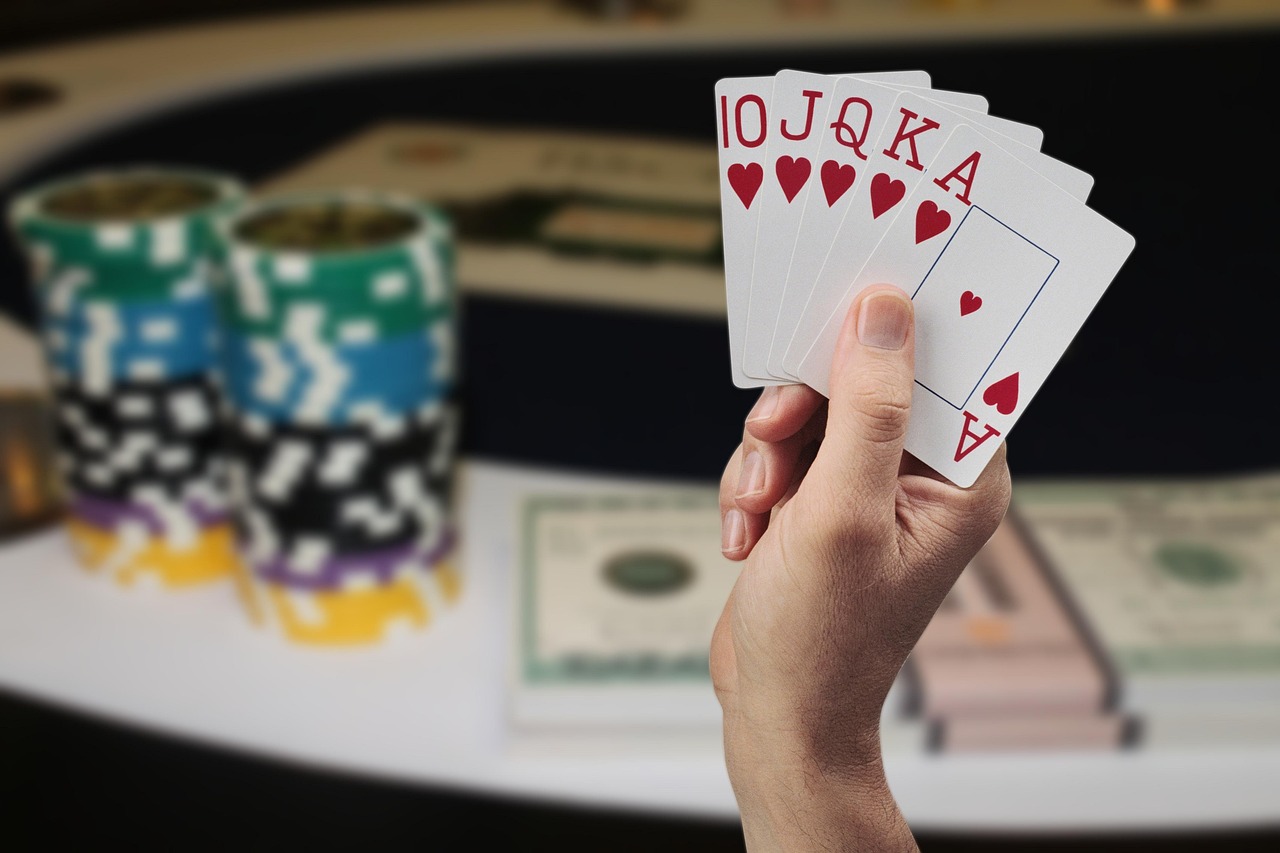
The House Edge Isn't Everything: What Smart iGaming Players Track
Most players obsess over the wrong number. They'll spend an hour comparing a 96.2% RTP slot to a 96.5% one, then happily burn through a bankroll in twenty minutes because they never checked the volatility. The house edge tells you what you'll lose over the long run. It says almost nothing about how you'll get there — and that's the part that actually determines whether you have a good session or a short, miserable one.
Here's what experienced iGaming players know that casual ones don't: every game on the floor is a different machine with different rhythms, and your job is to pick the one whose rhythm matches your bankroll, your patience and your tolerance for pain.
RTP, Volatility and Why They Work as a Pair
Return to Player is a long-run average. A 96% RTP slot means that for every $100 wagered, the game theoretically returns $96 — but "theoretically" is doing heavy lifting there. That figure assumes millions of spins. Over your 300-spin session, you might see 40% or 180%. Volatility is what decides which version you get.
- Low volatility: frequent small wins, slow bleeding. Great for stretching a bankroll, brutal if you're chasing a jackpot.
- Medium volatility: the sensible middle. Wins come often enough to keep the session alive, with occasional meaningful hits.
- High volatility: long dry spells punctuated by big multipliers. Exciting, but a $50 bankroll can vanish in 80 spins without a single bonus trigger.
Here's the practical rule: divide your session bankroll by your bet size. If that number is under 100, you do not belong on a high-volatility slot, no matter how flashy the max win is. A 10,000x multiplier means nothing if you bust before the feature lands.
Slots: The 3 Numbers You Should Check Before Your First Spin
Modern slots are transparent if you know where to look. The game info panel — usually a small "i" icon — contains everything that matters.
- RTP: Anything above 96% is solid. Be aware that some providers ship different RTP versions to different operators, so the "96.5%" on a review site may not be the version you're playing.
- Max win exposure: Expressed in multiples of your stake. A 5,000x cap means at $1 spins, your best possible outcome is $5,000. That's fine. Know it going in.
- Hit frequency: Often buried in the paytable documentation. A slot with 28% hit frequency feels completely different from one at 19%, even if their RTPs are identical.
Bonus buys deserve their own caution. A feature that costs 100x your stake might typically return 95x, which is a 5% edge against you in a single transaction. It's fine as an occasional gamble, but it is not a shortcut to profit. You will find a helpful summary at สล็อต.
Table Games: Where the Real Edge Lives
If you want the mathematically kindest experience in a casino, you go to the tables — and you learn which bets are traps. Blackjack played with basic strategy sits around 0.5% house edge. Play the same game with sloppy decisions and that number can triple.
Roulette is the clearest teaching tool in gambling. European single-zero roulette carries a 2.7% edge. American double-zero roulette sits at 5.26%. Same game, same thrill, nearly double the cost. That extra green pocket is the most expensive square foot in the building.
- Baccarat: Banker bet ~1.06%, Player bet ~1.24%, Tie bet ~14%. Never the tie.
- Craps: Pass line with full odds is one of the best bets on any casino floor. The proposition bets in the middle of the table are the worst.
- Blackjack: Avoid tables paying 6:5 even money on blackjack. That one rule change adds roughly 1.4% to the house edge.
The pattern is consistent: the flashier the bet, the worse the math. Side bets exist because they're profitable for the house, not because they're generous to you.
Poker Is Not a Casino Game — Stop Playing It Like One
This is the single biggest category error in iGaming. In slots and roulette, you are playing against the house and the house edge is fixed. In poker, you are playing against other people, and the house takes a small rake. If you are better than your table, you have a positive expected value. That changes everything about how you should approach it.
Practically, that means:
- Table selection matters more than hole cards. A soft table with loose, calling-station opponents is worth more than any hand you'll be dealt.
- Position is the most underrated edge in the game. Acting last gives you information nobody else has.
- Bankroll management is not optional. A proper bankroll for cash games is 20+ buy-ins; for tournaments, 50-100 buy-ins.
- Track results. Not feelings, not gut instinct — actual numbers in a spreadsheet or tracker app.
If you're not doing those four things, you're not playing poker. You're playing a slower, more expensive slot machine with extra steps.
Bonuses, Wagering and the Fine Print Nobody Reads
Welcome bonuses are marketing, and marketing has terms. Before you accept anything, pull up the bonus conditions and check the wagering requirement. A $200 bonus with 40x wagering means you must bet $8,000 before withdrawing a cent. If the contribution rate for blackjack is 10%, that $8,000 effectively becomes $80,000 in required table action.
Also watch for maximum bet caps during bonus play, game weightings, and expiry windows. A 7-day expiry on a 40x requirement is a near-impossible task for most players. Bonuses aren't free money — they're a contract, and the terms favor the house until proven otherwise.
The Discipline Layer That Separates Players From Gamblers
Everything above is math. The final piece is behavior, and it's the one most people fail.
Set loss limits before you log in, not after you've lost three buy-ins. Use the operator's built-in deposit limits and reality checks, because they work whether or not your willpower is cooperating at 2 a.m. Take breaks on a timer. Never chase losses with money you need.
The players who last years in this space aren't the luckiest ones. They're the ones who understand that the house always has an edge on casino games, so the goal isn't to beat the house — it's to manage variance, take the good promotions, play the tables where the math is kindest, and treat poker as the skill game it actually is. That's the real edge, and no RTP percentage will ever replace it.


Decluttering
-
Make use of awkward alcoves with pull-out drawers, slim cupboards and hooks. Measure carefully before buying so doors and skirting boards still fit.


Small Spaces


-

Long established fact that a reader will be distracted
-

Long established fact that a reader will be distracted
-

Long established fact that a reader will be distracted


Storage Ideas
Karla Gleichauf
12 May 2017 at 05:28 pm
On the other hand, we denounce with righteous indignation and dislike men who are so beguiled and demoralized by the charms of pleasure of the moment
M Shyamalan
12 May 2017 at 05:28 pm
On the other hand, we denounce with righteous indignation and dislike men who are so beguiled and demoralized by the charms of pleasure of the moment
Liz Montano
12 May 2017 at 05:28 pm
On the other hand, we denounce with righteous indignation and dislike men who are so beguiled and demoralized by the charms of pleasure of the moment