

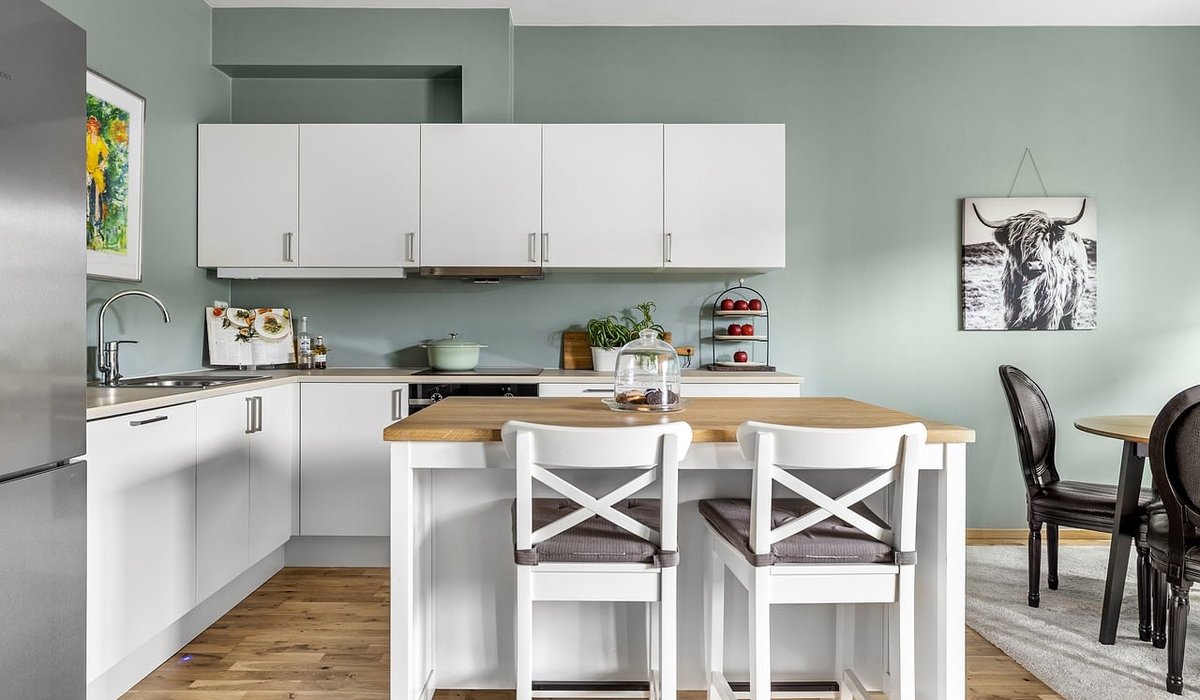
Small Kitchen Worktop Hacks That Keep Cooking Clutter at Bay
Why a Clear Worktop Changes Everything
In a small UK kitchen, worktop space is the most valuable patch of space you own. A cluttered surface makes even a simple pasta dinner feel like a chore. You shuffle jars to find a chopping board, knock over a utensil pot, and then spend ten minutes wiping around things that shouldn't be there. When you clear the worktop, cooking becomes calmer and quicker. You can chop, mix, and plate without moving obstacles, and wipe the whole surface in one sweep. Aim to keep at least 80% of your worktop clear at all times. The hacks below help you get there without banning everything you use.
Group Your Utensils in One Crock
Utensil pots multiply like coat hangers. You start with one, then add a second for spatulas, a third for odd bits. Before long, they eat a third of your worktop. Stop that cycle by choosing one heavy crock, about 10–12 cm wide, and keeping only the tools you reach for daily. Everything else—duplicates and seasonal items—goes into a lidded box on a high shelf or in a deep drawer.
- Choose a straight-sided crock so it sits flush against a wall or splashback.
- Group by task: cooking tools in one, baking tools stored elsewhere.
- If a tool hasn't been used in two weeks, it doesn't earn a place on the worktop.
- Wash and return tools immediately after cooking, not at the end of the day.
A single crock makes wiping easier. You lift one item, wipe, and put it back.
Folding Boards and Upright Pans
Two of the biggest worktop bullies are chopping boards and frying pans. A folding chopping board solves the first. It folds flat to half its size, so you can store it upright behind the sink, in a slim gap beside the fridge, or in a narrow cupboard slot. Some fold into a funnel shape for tipping chopped veg into a pan. For pans, stop stacking them flat. Instead, stand them upright in a cupboard using a wire rack or an adjustable pan organiser. If you have a free wall, a rail with strong hooks lets you hang pans within reach. Lids can go in a magazine file on the inside of a cupboard door. This vertical approach frees drawer space and makes every pan visible at a glance.
- A folding board typically saves 50–60% of flat storage space compared to a rigid board.
- Stand frying pans with handles pointing up and slightly to one side for easy grabbing.
- Use a cheap magazine file for baking trays, boards, and cutlery trays that don't stack.
Keep Only Daily Appliances on the Worktop
The kettle and toaster earn their place. The blender, slow cooker, air fryer, and bread maker do not—unless you use them every day. Move less-used appliances to a cupboard, a pantry shelf, or a small trolley. A trolley is a clever second worktop: wheel it out for the mixer, then push it back. For appliances that stay, group them on a tray or shallow basket. Oils, salt, pepper, and a favourite mug can live there too. When you wipe down, lift the whole tray, wipe underneath, and set it back. If you have a tiny kitchen, a wall-mounted shelf above the kettle for mugs and tea keeps the worktop almost empty.
Vertical Storage: Walls, Rails and Inside Doors
When floor and worktop space run out, look up and look inside. A wall rail with S-hooks can hold mugs, small utensils, and even a small pan. A magnetic knife strip frees a drawer and keeps knives off the worktop. Inside cupboard doors, stick-on hooks hold measuring spoons, lids, and a small board. An over-door organiser on a pantry door stores foil and cling film. In a corner, a tiered shelf uses height instead of width for jars. Over the sink, choose a draining rack that sits across the bowl rather than beside it—this alone can reclaim half a metre of worktop. If you rent and can't drill, use tension rods inside a cupboard or a freestanding shelf unit that slots into a gap.
- Mount a rail above the splashback, not so high you can't reach.
- Use adhesive hooks inside doors for lightweight items only.
- A tiered corner shelf can hold six to eight spice jars in the space of two.
The Two-Minute Reset That Keeps It Clear
Even the best storage system fails if you don't reset it. Build a two-minute habit after every meal. Before you sit down to eat, put utensils back in the crock. Fold the chopping board and slide it away. Wipe the worktop with a spray and cloth kept under the sink. Put oils and jars back on their tray. Two minutes now saves ten minutes of frustrated clearing later. During cooking, clear as you go: while the pasta boils, wash the knife and board. Encourage everyone to follow one rule: nothing lands on the worktop unless it lives there. A clear worktop isn't about being tidy for guests. It's about making daily cooking faster, calmer, and easier to clean. Start with one crock, one folding board, and one upright pan rack. You'll feel the difference by tomorrow's breakfast.


Decluttering
-
Use a rail behind the door, shallow boxes under the bed and a tall chest. Choose matching baskets to reduce visual noise in tight rooms.


Small Spaces


-

Long established fact that a reader will be distracted
-

Long established fact that a reader will be distracted
-

Long established fact that a reader will be distracted


Storage Ideas
Karla Gleichauf
12 May 2017 at 05:28 pm
On the other hand, we denounce with righteous indignation and dislike men who are so beguiled and demoralized by the charms of pleasure of the moment
M Shyamalan
12 May 2017 at 05:28 pm
On the other hand, we denounce with righteous indignation and dislike men who are so beguiled and demoralized by the charms of pleasure of the moment
Liz Montano
12 May 2017 at 05:28 pm
On the other hand, we denounce with righteous indignation and dislike men who are so beguiled and demoralized by the charms of pleasure of the moment