

Creating a Calm Cleaning Caddy for Every Floor
Why One Caddy Per Floor Changes Everything
In a small UK home, the biggest obstacle to cleaning isn't motivation — it's friction. If your cloths, sprays and brushes live under the kitchen sink, every trip upstairs to tackle the bathroom feels like a proper expedition. You lug a bucket up the stairs, realise you've forgotten the descaler, and by the time you've finished, the whole job has taken twice as long as it should. The fix is delightfully simple: build a small, self-contained cleaning caddy for each floor, and stop carrying supplies around altogether.
This isn't about owning more stuff. It's about arranging what you already have so that the right tool is always within arm's reach. A calm, well-stocked caddy turns cleaning from a chore you postpone into something you can do in five-minute bursts — and in a compact home, those bursts are how the place actually stays tidy.
Choosing a Caddy That Suits Your Space
The classic plastic caddy with a central handle works, but think carefully about where it will live. In a small flat or a Victorian terrace with narrow stairs, a deep bucket-style caddy can be awkward to store. Consider these options instead:
- A shallow tray caddy with a low profile slides under a bathroom basin or onto a shelf in an airing cupboard.
- A fabric tote with pockets is lightweight, squashes into tight gaps and won't clatter on wooden floors.
- A two-tier caddy keeps cloths separate from liquids, which matters if a bottle ever leaks.
- A small basket with a handle looks tidy enough to sit on an open shelf without shouting "cleaning supplies".
Whatever you pick, make sure it's easy to carry one-handed. You'll often be holding a cloth in the other hand, and a caddy that tips or spills will quickly put you off the whole system.
What Belongs in Every Caddy
The temptation is to fill it with everything you own. Resist. A calm caddy holds just enough to handle everyday messes, not a deep clean. Here's a reliable core kit that works on most surfaces in a British home:
- Two or three microfibre cloths — one for dusting, one for damp wiping, one for glass.
- A small bottle of eco-friendly multi-surface spray, ideally refillable so you can top it up from a larger container.
- A small bristle brush for grout, taps, plug holes and the awkward corners of a shower tray.
- A squirt of washing-up liquid in a tiny bottle, or a dedicated bathroom cleaner if your water is hard.
- A spare bin bag or two, folded flat, for swift decluttering as you go.
- A pair of thin rubber gloves tucked into a side pocket.
If you have pets or small children, add a dedicated pet-hair remover or a child-safe wipe. If you have hard water, a small limescale spray earns its place. Keep it to what you genuinely reach for weekly, and the caddy stays light enough to carry without a second thought.
Stocking Upstairs and Downstairs
The real magic is duplication. Buy two of the essentials — the spray, the cloths, the brush — and keep one set on each floor. It sounds indulgent, but it costs very little and saves enormous amounts of energy. You'll clean the upstairs bathroom more often because you don't have to plan for it. You'll wipe down the banister or the landing windowsill in passing because the caddy is right there.
Label each caddy subtly if you like — a small sticker underneath, or a different coloured cloth per floor. In a shared house or a busy family home, this gently signals whose kit is whose and prevents supplies drifting.
Where to Hide Them in a Small Home
Storage is where small homes get clever. You don't need a utility room; you need a gap. Try these spots:
- Under the bathroom basin, if the pipework leaves a clear shelf.
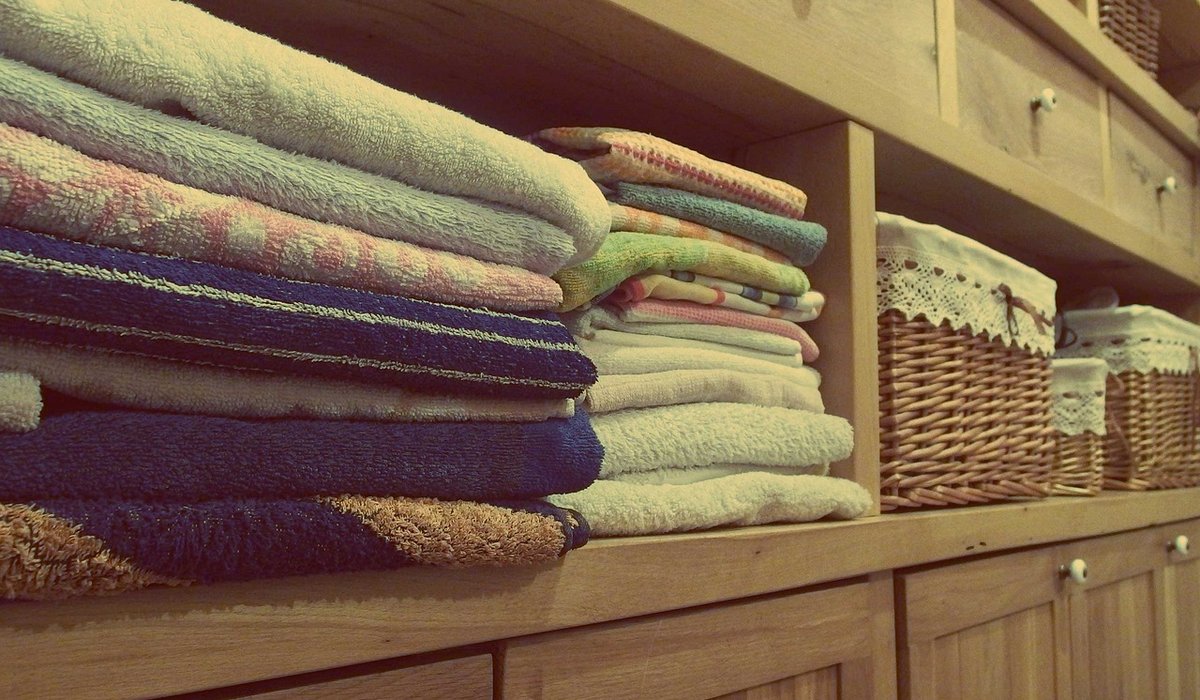
- On the top shelf of an airing cupboard, beside the towels.
- Inside a lidded storage ottoman at the top of the stairs.
- On a narrow hook behind a bedroom door, using a fabric tote.
- In a slim gap beside the washing machine, if you have one.
The rule is simple: if you have to move something else to get to it, it's in the wrong place. A caddy should be reachable in one motion, ideally without bending or stretching.
Keeping the Caddy Calm
A caddy only stays useful if it stays tidy. Once a week, take five minutes to rinse the cloths, wipe the bottles, and check you're not running low on spray. Empty any crumbs or hair from the brush. This tiny reset keeps the caddy pleasant to pick up — and if it's pleasant, you'll use it.
There's a quiet psychological benefit here too. When cleaning supplies are contained, labelled and pleasant to handle, the whole idea of cleaning feels smaller and more manageable. You're not staring at a chaotic cupboard; you're picking up a neat little kit that's ready to go. In a compact home, that sense of calm is worth more than any clever gadget — and it starts with one small caddy on each floor.


Decluttering
-
Start with a basket for keys and post, then sort shoes and coats by season. Keep only what your household uses each week.


Small Spaces


-

Long established fact that a reader will be distracted
-

Long established fact that a reader will be distracted
-

Long established fact that a reader will be distracted


Storage Ideas
Karla Gleichauf
12 May 2017 at 05:28 pm
On the other hand, we denounce with righteous indignation and dislike men who are so beguiled and demoralized by the charms of pleasure of the moment
M Shyamalan
12 May 2017 at 05:28 pm
On the other hand, we denounce with righteous indignation and dislike men who are so beguiled and demoralized by the charms of pleasure of the moment
Liz Montano
12 May 2017 at 05:28 pm
On the other hand, we denounce with righteous indignation and dislike men who are so beguiled and demoralized by the charms of pleasure of the moment