

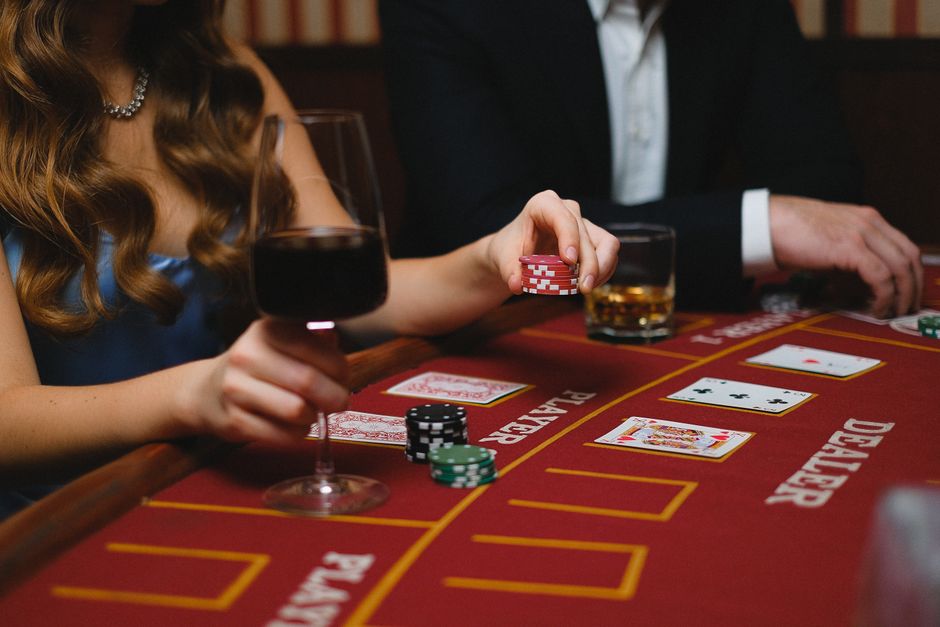
The Realities of iGaming: Beyond the Hype and Hopes
You've seen the flashy ads: a guy in a sharp suit high-fiving his buddies after a massive slot win, or a poker pro staring down an opponent with a cool million on the line. The iGaming world loves to sell the dream. But if you've ever actually deposited a tenner and watched it vanish in three spins, you know the reality is a bit more... nuanced. This isn't another puff piece telling you how to get rich quick. It's a grounded look at the modern iGaming landscape—casinos, sports betting, slots, and poker—from someone who's been around the block. We'll talk strategy, psychology, and the cold, hard math that the marketing teams conveniently forget to mention. Whether you're a curious newcomer or a seasoned grinder, there's something here for you.
The Unshakeable House Edge: Why Casinos Always Win (Eventually)
Let's get the uncomfortable truth out of the way first: every game you play in a casino, whether online or on the Vegas strip, is designed with a mathematical advantage for the house. This isn't a conspiracy; it's a business model. The house edge is the percentage of each bet that the casino expects to keep over the long run. For example, American roulette has a house edge of 5.26% due to that pesky double zero. European roulette? A much friendlier 2.7%. Blackjack, when played with perfect basic strategy, can get the edge down to around 0.5%. But here's the kicker: the house edge only plays out over millions of hands. In a single session, anything can happen. That's the hook.
Slots are a different beast entirely. Modern video slots often have a Return to Player (RTP) percentage between 92% and 97%. That sounds decent, right? You put in £100, you get back £96 on average. But that average is calculated over millions of spins. Your £100 could be gone in five minutes. The volatility (or variance) of a slot determines how wildly your bankroll swings. High-volatility slots like Bonanza or Book of Dead promise huge wins but can eat your balance faster than a poker pro at a free buffet. Low-volatility slots like Starburst pay smaller amounts more frequently, but the house edge still grinds you down. The lesson? Never play with money you can't afford to lose, and always check the RTP—it's usually buried in the game's info screen.
Sports Betting: Where Information Is Your Only Edge
Unlike slots, sports betting feels like you have some control. You watch the games, you know the teams, you've read the injury reports. And to a degree, you're right. But the sportsbook isn't your friend. They employ teams of quants and traders who set lines that are incredibly efficient. The vigorish (or vig) is the commission they charge on every bet. A standard -110 line on both sides of a point spread means you have to win 52.4% of your bets just to break even. That's a tough ask.
So where do the sharps find an edge?
- Line shopping: Different bookmakers offer slightly different odds. That half-point difference on a spread can turn a losing season into a winning one.
- Prop bets and niche markets: The big markets (NFL, NBA, Premier League) are picked clean. But obscure leagues, player props, and live in-play markets sometimes have soft lines because the book hasn't had time to adjust.
- Arbitrage and bonuses: Matched betting and arbitrage exploit free bets and differences between books. It's not glamorous, but it's mathematically sound. Just know that bookmakers will limit or ban you if they suspect you're doing it consistently.
If you're betting for fun, fine. If you think you're going to quit your day job by betting on football, you're probably deluding yourself. Treat it as entertainment, not an investment.
Slots: The Psychology of the Spin
Why do slots feel so addictive? It's not just the flashing lights and sounds. It's the variable ratio reinforcement schedule—the same psychological principle that makes gambling so compelling. You never know when the next win is coming, so you keep spinning. The near-miss effect (two cherries and a lemon) triggers the same reward pathways in your brain as an actual win. And bonus rounds? They're designed to feel like a special event, even though the math is identical to the base game. kingfun.gb.net goes into the finer points.
Here's a concrete tip: set a strict loss limit and a time limit before you start. The moment you hit that limit, walk away. Don't chase losses. The slot doesn't know you, and it doesn't care. Also, consider playing slots with a lower number of paylines if you want to stretch your bankroll. A 243-ways-to-win slot might give you more frequent wins, but each spin costs more. A classic 3-reel, single-line slot has a higher house edge, but you can play for hours on a small budget. It's all about matching the game to your goals.
Poker: The Only Game Where You Play the Player
Poker is the great exception in the iGaming world. Here, the house doesn't care who wins—they just take a rake from each pot. That means your edge comes from your opponents' mistakes, not from luck. But that also means the game is brutally competitive. If you're new to online poker, you need to understand a few things:
- Bankroll management is everything. You should have at least 20 buy-ins for the stakes you play. If you have a £200 bankroll, you should be playing £10 buy-in tournaments or £0.05/£0.10 cash games.
- Position is power. Acting last gives you more information. Play fewer hands from early position and more from the button.
- Track your results. Use a poker tracking tool like PokerTracker or Hold'em Manager. You can't plug leaks you can't see.
- Be honest about your skill level. The micro-stakes are full of decent players. Move up only when you're consistently beating your current level over a large sample size (at least 10,000 hands).
The good news? Online poker offers freerolls and micro-stakes to build your skills without risking much. The bad news? The era of the easy money is long gone. You'll need discipline, patience, and a willingness to study.
If you're looking for a mental image to capture the iGaming world, think of a spinning roulette wheel with digital chips—it sums up the blend of chance, technology, and risk that defines the industry.
The Rise of Live Dealers and Crash Games
Two trends have exploded in recent years: live dealer games and crash games. Live dealers stream real croupiers from studios, giving you the social feel of a real casino from your sofa. Evolution Gaming and Pragmatic Play dominate this space. The downside? The pace is slower, and the minimum bets are often higher. Crash games, on the other hand, are the opposite—fast, anonymous, and brutally simple. You place a bet, watch a multiplier rise, and cash out before it crashes. Bustabit and Crash by Spribe are prime examples. They're pure gambling, with a house edge of around 1% to 3%. But they're also incredibly addictive because of the instant feedback. My advice: if you play crash games, set an auto-cashout at a low multiplier (like 1.2x) and stick to it. Greed kills more bankrolls than bad luck.
Final Thoughts: Play Smart, Not Hard
The iGaming industry is a multi-billion dollar machine built on entertainment. There's nothing wrong with enjoying it—as long as you go in with your eyes open. The house always has an edge, but you can minimise it with good decisions: choose high-RTP slots, shop for the best odds, manage your bankroll, and never chase losses. And if you ever feel like the fun has turned into a compulsion, step away. The games will still be there tomorrow. Your money might not be. So spin responsibly, bet within your means, and remember that the only sure thing in gambling is that the casino is banking on you not reading articles like this.


Decluttering
-
Make use of awkward alcoves with pull-out drawers, slim cupboards and hooks. Measure carefully before buying so doors and skirting boards still fit.


Small Spaces


-

Long established fact that a reader will be distracted
-

Long established fact that a reader will be distracted
-

Long established fact that a reader will be distracted


Storage Ideas
Karla Gleichauf
12 May 2017 at 05:28 pm
On the other hand, we denounce with righteous indignation and dislike men who are so beguiled and demoralized by the charms of pleasure of the moment
M Shyamalan
12 May 2017 at 05:28 pm
On the other hand, we denounce with righteous indignation and dislike men who are so beguiled and demoralized by the charms of pleasure of the moment
Liz Montano
12 May 2017 at 05:28 pm
On the other hand, we denounce with righteous indignation and dislike men who are so beguiled and demoralized by the charms of pleasure of the moment