

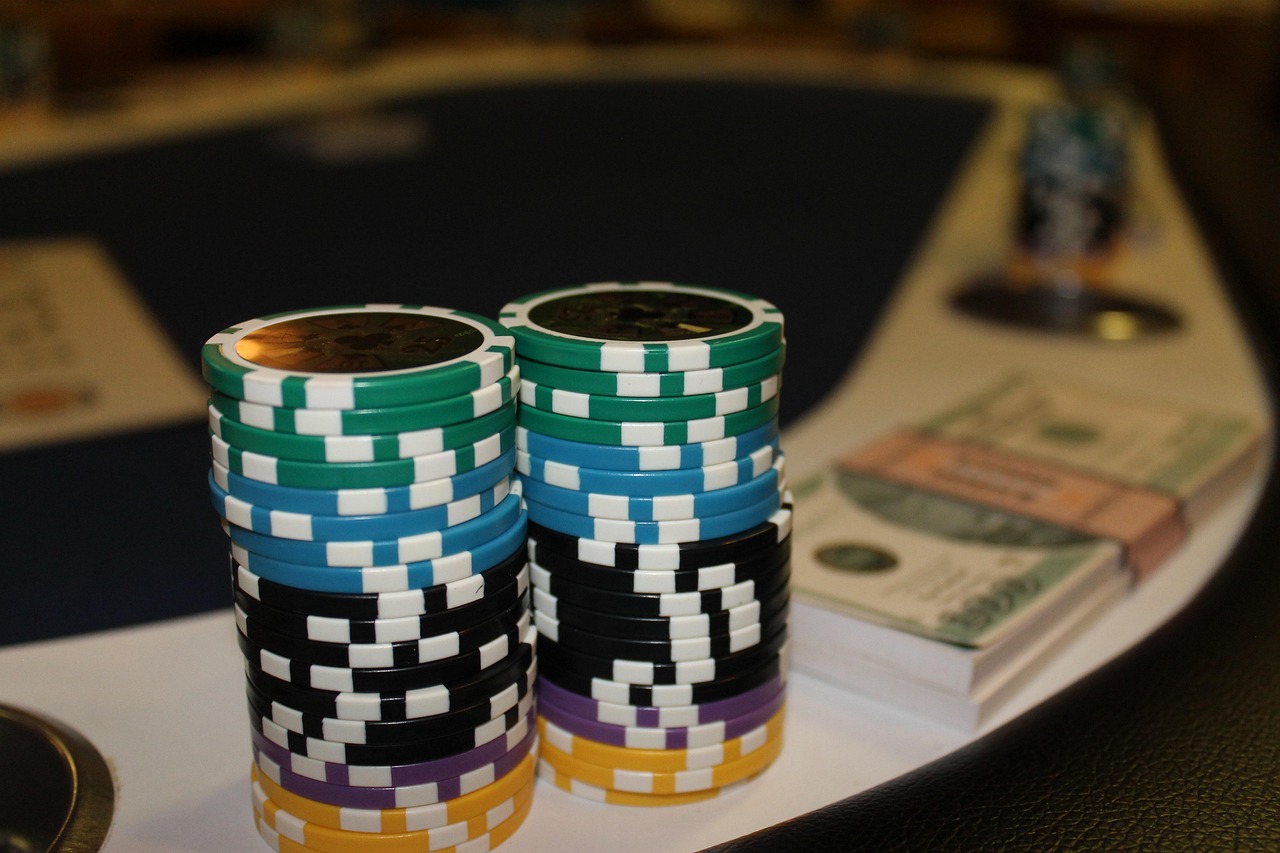
The Real Math Behind Slot RTP (And Why It Matters)
A player once told me he only plays slots that have a 99% RTP because "the machine pays back 99 cents on every dollar." After two hours and a hundred spins, he was down $240 and furious. The math wasn't lying to him. He just had no idea what RTP actually means. That single misunderstanding — repeated millions of times a day — is the biggest gap between how players think slots work and how they genuinely do.
Let's fix that, then push into the parts most articles skip: variance, bonus mechanics, poker bankroll logic, and the honest truth about "hot" machines.
What RTP Really Means (It's Not What You Think)
Return to Player (RTP) is a theoretical number calculated over millions of spins, usually through simulation. A 96% RTP slot promises that, across all bets ever placed, the machine will return 96% and keep 4% as house edge. That's it. It says nothing — absolutely nothing — about what happens in your 500-spin session.
Here's the practical implication most people miss: RTP is the oil that eventually separates a player from their bankroll, but variance is the noise that keeps them interested. A game with 94% RTP and low variance might grind you down slowly over hours. A game with 96% RTP and extreme variance (think Gates of Olympus or Money Train 3) can zero your balance in 20 minutes or triple it in 4. Same theoretical return. Completely different feeling.
- RTP applies to all players, all sessions, all time — not to you, right now.
- A "98% RTP" slot can still lose you 100% of your session bankroll.
- Changing your bet size doesn't change RTP — it changes variance exposure only.
Reading Paytables Like a Grown-Up
Before you spin a new slot, spend 90 seconds in the paytable. Every serious player does three things:
- Check the RTP. It's typically buried in the info menu, not the lobby. If a game doesn't list RTP clearly, that's a red flag.
- Look at max win and hit frequency if listed. "Max win 5,000x" combined with a hit frequency of 1 in 4 spins tells you the game relies on grinding small wins, not jackpots.
- Read the bonus mechanic. Free spins with persistent multipliers (Reactoonz, Sweet Bonanza) behave completely differently from pick-and-click bonuses.
Slot volatility is often shown as 1–5 stars in the paytable. 1–2 stars is a drainage game — fine for long sessions. 4–5 stars is a lottery ticket. Match your choice to your session length and attitude, not to whatever a streamer was playing last night.
Poker Is Not Slot Play With Cards
A lot of slot players wander into cash poker games assuming the skills transfer. They don't. Not even slightly. Slots are pure chance with a fixed edge. Poker is a skill game against opponents, with a rake taken by the house. Different math, different psychology, different goals.
The core disciplines that separate winners from tipping stacks: A good place to continue is g88.br.com.
- Bankroll management: Never sit at a table with more than 5% of your dedicated poker bankroll. If you have $1,000 set aside for poker, buy in for $50 max.
- Position over cards: Playing more hands from the button and fewer from early position is more profitable than hunting premium hands.
- Not paying off: Folding second-best hands when an opponent barrels three streets. This alone saves more money than most players realize.
If you've never studied ranges or pot odds, start with low-stakes real-money cash games rather than tournaments. Tournaments amplify variance dramatically and can convince beginners that they're better or worse than they are.
Betting Odds: The Single Number That Decides Everything
In sports betting, the equivalent of RTP is the implied probability built into the odds. A -110 line on a coin-flip market looks fair, but it isn't — the sportsbook charges roughly 4.5% on a standard two-way market, which is worse than the average slot machine.
Two habits worth building:
- Convert every line to implied probability. -110 = 52.38%. +150 = 40%. Then ask if your edge is genuinely bigger than the book's. Almost never, for casual bettors.
- Shop lines across at least three books. The difference between -108 and -115 on the same bet across a season is significant, and it costs you nothing extra to check.
Parlays and same-game combinations multiply the house edge. Bookmakers love them for exactly that reason. If you must play them, treat them as entertainment purchases, not investment strategy.
The Three Lies Players Still Believe About Slots
Let's put these to bed once and for all.
"This machine is due for a jackpot." Slots on modern random number generators have no memory. Every spin is independent. Machines that feel "hot" or "cold" are advertising narratives we invent to make randomness tolerable.
"Max bet triggers the bonus more often." No. Bet size scales win amounts. Hit frequency is fixed by the game's math model. The only exception is specific max-bet-only features on a few certified games.
"I've won before, so I can win again." Of course you can win again — that's variance working in your favor. But past wins don't raise your future RTP. You're always playing the same 94–97% machine.
How to Actually Get Better at iGaming
Improvement isn't about finding a secret edge. It's about stacking small, boring advantages:
- Stick to games above 96% RTP and resist the marketing pull of 5,000x-max-win titles unless you're embracing the variance.
- Set a session loss limit before you start, and treat hitting it as a rule, not a suggestion.
- Use reload and loyalty bonuses only after reading the wagering requirement. A 35x bonus is nearly impossible to clear profitably on slots; a 20x bonus on high-RTP games is realistically playable.
- Track your sessions. Not for taxes — for self-knowledge. Most players discover they'd be up if they only quit 30 minutes earlier.
The Mindset That Separates Fun Players From Frustrated Ones
Every game in this space — slots, poker, sportsbook, live dealer — is designed by mathematicians to generate revenue over the long run. You cannot outrun the math indefinitely. What you can do is play the sharpest version of the math that's available to you: better RTP games, better lines, better bankroll rules, and a clear decision that any money you sit down with is entertainment money, not investment capital.
The players I've seen enjoy this world the longest aren't the lucky ones. They're the calm ones. They know their RTP. They know their variance. They know when to close the tab. That's the real edge — and oddly, it's the one nobody markets to you.


Decluttering
-
Make use of awkward alcoves with pull-out drawers, slim cupboards and hooks. Measure carefully before buying so doors and skirting boards still fit.


Small Spaces


-

Long established fact that a reader will be distracted
-

Long established fact that a reader will be distracted
-

Long established fact that a reader will be distracted


Storage Ideas
Karla Gleichauf
12 May 2017 at 05:28 pm
On the other hand, we denounce with righteous indignation and dislike men who are so beguiled and demoralized by the charms of pleasure of the moment
M Shyamalan
12 May 2017 at 05:28 pm
On the other hand, we denounce with righteous indignation and dislike men who are so beguiled and demoralized by the charms of pleasure of the moment
Liz Montano
12 May 2017 at 05:28 pm
On the other hand, we denounce with righteous indignation and dislike men who are so beguiled and demoralized by the charms of pleasure of the moment