

Poker Tells, Slot Myths, and the Real Edge in iGaming
Most people who lose money gambling lose it for the same boring reasons: they misunderstand the math, overestimate their skill, or chase losses with money they can't afford to part with. None of that sounds as glamorous as the fantasy of reading an opponent's soul or hitting a jackpot that changes your life, but it's the truth. If you've spent any time in online casinos, sportsbooks, or card rooms, you've probably noticed that the loudest advice is almost always the worst. This piece cuts through some of that noise. We're going to look at what actually separates long-term survivors from the people funding their payouts.
The House Edge Isn't a Trap — It's the Price of Admission
Every game you play in a casino, whether it's a live-dealer blackjack table in Macau or a video slot on your phone at 2am, is built around a mathematical advantage for the operator. That's not a scandal. It's the business model, and once you accept it, your decisions get a lot smarter. Plenty of people rely on chơi rikvip for this kind of information.
Here's what the numbers look like on some common games:
- Blackjack (basic strategy): house edge of roughly 0.5% — one of the best bets on the floor if you play correctly
- European roulette: 2.7% edge, thanks to that single zero
- American roulette: 5.26% — the double zero is a brutal tax
- Three-card poker: often around 3.4% on the ante, but the pair-plus side bet can tick higher
- Slots: typically 2% to 10%, depending on the title and jurisdiction
Notice what's missing from that list? A 50/50 game. Nothing on a casino floor is a coin flip unless you're playing a skill game with a rake. Knowing the edge lets you compare games on value instead of vibes, and value is the only lever you actually control.
Slot Myths That Refuse to Die
Slots are the most popular product in iGaming for a reason: they're simple, visual, and capable of paying enormous multiples. They're also wrapped in more folklore than any other game. Let's kill a few of the worst offenders.
"The machine is due."
No, it isn't. Modern slots use random number generators that operate independently on every spin. A game that just paid a 2,000x max win on the previous spin has exactly as good a chance of hitting again on the next one. The machine has no memory, no mood, and no debt to you.
"Higher bets unlock better odds."
In most jurisdictions this is false. The RTP is baked into the game's paytable and doesn't change with your stake. What does change is your volatility — bigger bets mean bigger swings in both directions, which shortens your session if variance turns against you. Some progressive jackpots require a max bet to qualify for the top prize, so read the rules, but that's a jackpot eligibility rule, not an RTP shift.
"Auto-spin is rigged against you."
Auto-spin is just click automation. The RNG doesn't know or care whether a human pressed the button. What auto-spin does change is your attention span. It makes it easier to burn through $200 in ten minutes without noticing, and that's a behavioral risk, not a technical one.
Poker Is a Skill Game Wrapped in Gambling
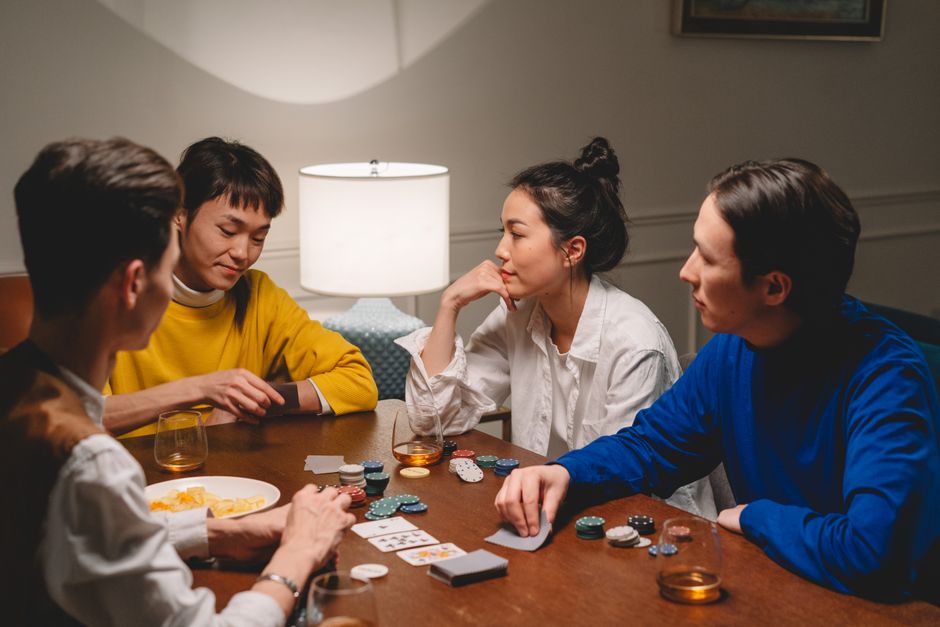
Poker sits in a strange category. At a single table on a single night, luck dominates. Over thousands of hands, the better player wins — assuming the rake doesn't eat them alive. That's why serious players obsess over three things: bankroll management, position, and opponent tendencies.
Bankroll management is the unsexy discipline that keeps you in the game. A common guideline among cash players is to hold at least 20 buy-ins for the stake you're playing. If you're playing $1/$2 no-limit with a $200 buy-in, you want roughly $4,000 reserved, ideally more. This isn't about being timid. It's about surviving the inevitable downswings without going broke on a run of coolers.
Position matters more than most beginners realize. Acting last gives you information, and information converts into profit. A hand like J-9 offsuit is trash from early position but playable on the button when everyone folds to you. Same cards, different outcome, purely because of where you sit.
- Track your sessions. Hands played, hours, net result.
- Review the three biggest pots you lost each session and be honest about whether you misplayed them.
- Stick to a stake you can refuse to move up from for at least 30 sessions.
Notice that none of this involves "tells." Online poker is a game of betting patterns, timing, and bet-sizing frequencies. Twitchy eyebrows are irrelevant when you're playing against a screen name in another country.
Live Betting and the Sportsbook Reality Check
In-play betting has exploded because it's exciting, and excitement is not a synonym for value. Odds move fast, and the margin on live markets is often wider than pre-match. If you're going to bet in-play, focus on markets where you have a genuine informational edge — injuries you've read about, weather at an outdoor venue, a lineup change that hasn't fully repriced. Blindly backing the team that's just conceded because "they'll bounce back" is how recreational bettors hand over their balances.
Another practical point: shop your lines. The difference between -105 and -115 on a $100 bet is $4.43 in expected value on a single wager. Over a season of 200 bets, that's nearly $900 — a mortgage payment for doing nothing more than opening two accounts instead of one.
Bonus Terms Are Where Profits Go to Die
Welcome bonuses, free spins, and reload offers look generous on the landing page. The fine print usually tells a different story. Common gotchas include:
- Wagering requirements of 30x to 50x the bonus amount
- Game-by-game contribution rates — slots may count 100%, table games as low as 10%
- Maximum cash-out caps that stop you withdrawing the full win
- Time limits as tight as seven days
Use bonuses as a way to extend a session, not as a strategy for guaranteed profit. If you do the math and the expected value is positive, take it. If the math is ugly, walk away. No shame in declining a "gift" that costs more than it gives.
Discipline Beats Hustle Every Time
The players who last — in poker rooms, at sportsbooks, on slot streams — share an unglamorous trait. They're disciplined. They set limits before they play, they treat gambling money as entertainment spend they can lose without damaging their life, and they don't gamble when they're tilted, drunk, or desperate. The best move anyone can make in iGaming is to understand the house edge, respect the variance, and quit when the plan says quit. Everything else is noise dressed up as strategy.


Decluttering
-
Make use of awkward alcoves with pull-out drawers, slim cupboards and hooks. Measure carefully before buying so doors and skirting boards still fit.


Small Spaces


-

Long established fact that a reader will be distracted
-

Long established fact that a reader will be distracted
-

Long established fact that a reader will be distracted


Storage Ideas
Karla Gleichauf
12 May 2017 at 05:28 pm
On the other hand, we denounce with righteous indignation and dislike men who are so beguiled and demoralized by the charms of pleasure of the moment
M Shyamalan
12 May 2017 at 05:28 pm
On the other hand, we denounce with righteous indignation and dislike men who are so beguiled and demoralized by the charms of pleasure of the moment
Liz Montano
12 May 2017 at 05:28 pm
On the other hand, we denounce with righteous indignation and dislike men who are so beguiled and demoralized by the charms of pleasure of the moment